The Kremlin has never been richer – thanks to a US strategic partner
CNN
Russia is entering its third year of war in Ukraine with an unprecedented amount of cash in government coffers, bolstered by a record $37 billion of crude oil sales to India last year, according to new analysis, which concludes that some of the crude was refined by India and then exported to the United States as oil products worth more than $1 billion.
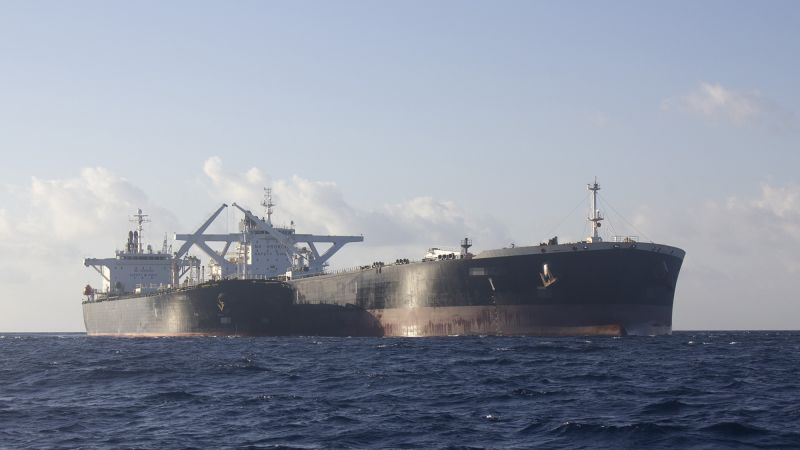
Russia is entering its third year of war in Ukraine with an unprecedented amount of cash in government coffers, bolstered by a record $37 billion of crude oil sales to India last year, according to new analysis, which concludes that some of the crude was refined by India and then exported to the United States as oil products worth more than $1 billion. This flow of payments, ultimately to Moscow’s benefit, comes from India increasing its purchases of Russian crude by over 13 times its pre-war amounts, according to the analysis by the Centre for Research on Energy and Clean Air (CREA), exclusively shared with CNN. It amounts to US strategic partner New Delhi stepping in to replace crude purchases by Western buyers, reduced by sanctions over Russia’s invasion of Ukraine, the analysis said. While Russian crude sales to India are not subject to sanctions and are entirely legitimate, an examination of shipping routes by experts suggests this huge volume of shipments might involve the so-called “shadow fleet” of crude tankers, specially created by Moscow to try to disguise who it is trading with and how, and maximize the Kremlin’s profits. CNN witnessed what is a likely part of that complex trade off the Greek port of Gythio earlier this month. Two oil tankers – one massive, the other smaller – sidled up next to each other for a ship-to-ship transfer, which involves passing crude oil between vessels, sometimes with the aim of disguising its origin and ultimate destination. The two tankers have colorful histories. Both embarked from Russia weeks earlier. One is owned by an Indian-based company accused of involvement in sanctions violations, and the other was previously owned by an individual subject to separate US sanctions, according to shipping monitoring firm Pole Star Global. “Transfers are (sometimes) done legally, but they’re also used as an illicit tactic to evade sanctions,” said David Tannenbaum at Pole Star Global. “You’re adding multiple layers to the shell game of vessels as they try and confuse authorities as to where this oil is coming from and who’s buying it at the end of the day.”


Congressional Republicans have sent lawmakers home for the holidays without voting to address the Obamacare subsidies cliff that will hit millions of Americans on New Year’s Day — infuriating some of their own rank and file.

A jury found a Wisconsin judge – accused of helping an undocumented immigrant dodge federal authorities – guilty of obstruction Thursday, marking a victory for President Donald Trump as he continues his sweeping immigration crackdown across the country.

A number of Jeffrey Epstein survivors voiced their concern in a private meeting with female Democratic lawmakers earlier this week about the intermittent disclosure of Epstein-related documents and photos by Democrats on the House Oversight Committee, sharing that the selective publication of materials was distressing, four sources familiar with the call told CNN.

The US military conducted strikes against two alleged drug-trafficking boats in the eastern Pacific Ocean on Thursday, killing 5 people, according to US Southern Command.

Four-term North Carolina Democratic Gov. Jim Hunt, a towering figure in North Carolina politics in the late 20th century who helped leaders from both major parties strive for public education reform, died Thursday at the age of 88, his daughter Lt. Gov. Rachel Hunt announced.

President Donald Trump announced Thursday the White House will host the “Patriot Games,” a competition with young athletes from across the county, as part of the celebration of the United States’ 250th anniversary next year.

Susie Wiles’ recently published interviews in Vanity Fair are remarkable for a multitude of reasons. But perhaps leading that list was what the White House chief of staff said about Venezuela.

With under two weeks to go before he’s sworn in, New York City mayor-elect Zohran Mamdani has not announced many hires for his administration. One of the few that he has announced was forced to almost immediately resign Thursday after her past antisemitic tweets came to light.

The board of trustees of the John F. Kennedy Center for the Performing Arts voted Thursday to rename the facility after both the former president and President Donald Trump.

Peruvian scientist Rosa Vásquez Espinoza joins forces with indigenous communities to protect a disappearing species that is crucial to the health of the rainforest.

Frustration is mounting inside the Justice Department as it races to redact thousands of pages of files related to Jeffrey Epstein before they must be released Friday, multiple sources familiar with the process told CNN.

The GOP-controlled House passed a bill that would block Medicaid funds from being used for gender identity care to minors.

The one-time bonuses President Donald Trump said Wednesday will be paid out to over a million US service members will be pulled from funds already approved by Congress to cover housing and other household costs for troops as part of a military stipend program.