The big takeaways from the Facebook Papers
CNN
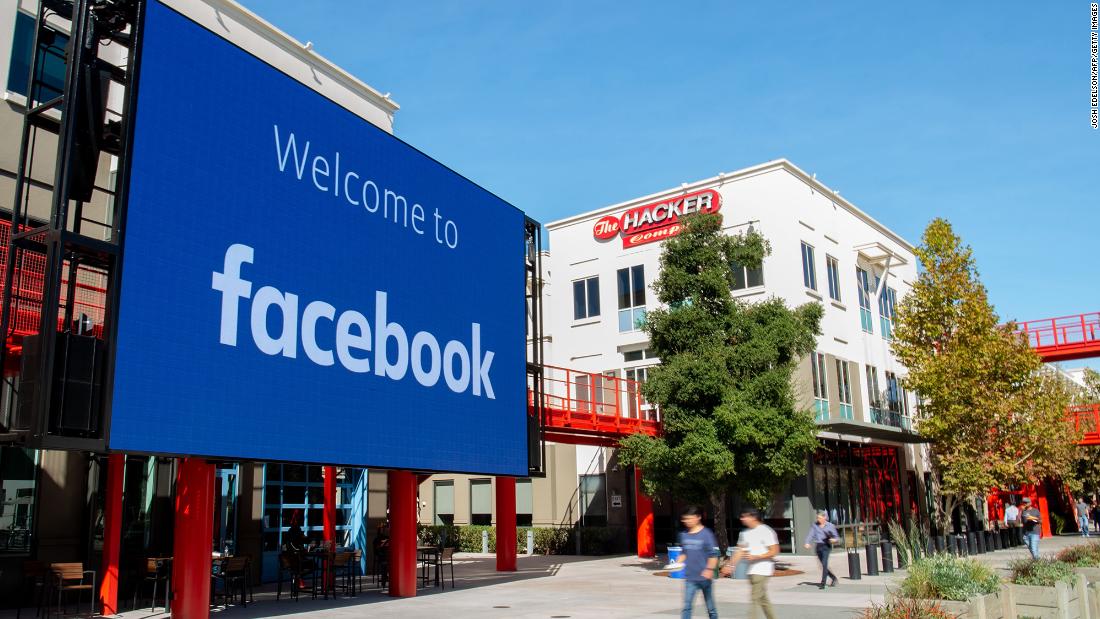
Facebook is no stranger to the limelight. While the company has repeatedly come under fire over the past few years for its role in disseminating misinformation, especially related to the 2016 election, the last two months have been especially turbulent as a whistleblower and top officials have been called to testify in front of Congress following the release of leaked internal research and documents.
These disclosures made to the Securities and Exchange Commission and provided to Congress in redacted form by Facebook (FB)whistleblower Frances Haugen's legal counsel have shed new light on the inner workings of the tech giant. A consortium of 17 US news organizations, including CNN, has reviewed the redacted versions of the documents received by Congress. She also shared some of the documents with the Wall Street Journal, which published a multi-part investigation showing that Facebook was aware of problems with its platforms.
Facebook has pushed back on Haugen's assertions, with CEO Mark Zuckerberg even issuing a 1,300-word statement suggesting that the documents are cherry picked to present a misleading narrative about the company.


Visitors will now have to pay a fee on Martin Luther King Jr. Day and Juneteenth.

“Wicked: For Good” has found itself at the center of a national conversation about weight loss, eating disorders and the endless pursuit of thinness.

The Supreme Court’s endorsement of how Texas Republicans redrew the state’s congressional map is offering hope to California Democrats as they prepare to defend their map in court this month – and emboldening other states to move ahead.

No politician in modern history has held as much sway over his base as President Donald Trump. And perhaps nothing has mattered more to his political career than that.

A high school senior was charged with federal arson after allegedly setting fire to a sleeping subway passenger in New York early Monday morning.

In several cities, federal agents deployed by the president have detained, chased, shoved, sprayed or shot with projectiles people protesting peacefully.

An 88-year-old Michigan grocery worker received a $1.7 million check Friday, thanks to a remarkable fundraising campaign led by a young Australian social media star.

In Venezuela, daily routines seem undisturbed: children attending school, adults going to work, vendors opening their businesses. But beneath this facade lurks anxiety, fear, and frustration, with some even taking preventative measures against a possible attack amid the tension between the United States and Venezuela.

Heartbreaking pleas for help poured into the Kerrville, Texas, police department’s Telecommunications Center as the deadly catastrophic floods swept across Texas Hill Country in the early hours of July 4.

Rep. Adelita Grijalva said Friday she was pepper-sprayed and pushed around during an Immigration and Customs Enforcement raid in Tucson, Arizona, a claim that the Department of Homeland Security swiftly disputed.

The alleged drug traffickers killed by the US military in a strike on September 2 were heading to link up with another, larger vessel that was bound for Suriname — a small South American country east of Venezuela – the admiral who oversaw the operation told lawmakers on Thursday according to two sources with direct knowledge of his remarks.

The first week of testimony in Brian Walshe’s murder trial in Dedham, Massachusetts, has come to an end. The jury heard from about two dozen witnesses called by the commonwealth in its case against Walshe as prosecutors work to prove he killed his wife, Ana Walshe, around New Year’s Day in 2023.

The US Army officially stood up a new command on Friday to oversee the Army’s activities in the Western Hemisphere in the latest signal of increasing focus on homeland defense.