In the remote communities of Northern Ontario, climate change has lit a fuse on reconciliation
CBC
This column is an opinion by Tom Kehoe, a contractor in Thunder Bay, Ont., and a citizen of the Métis Nation of Ontario. For more information about CBC's Opinion section, please see the FAQ.
Pickle Lake, Ont., is where the road ends. Put any community north of there into Google Maps and it returns "No Routes Found." You are at the terminus of Highway 599 and the most northern point of the provincial highway system; almost 300 kilometres from where you turned off the Trans Canada Highway in Ignace. There is nowhere farther to drive.
Except for one month of the year.
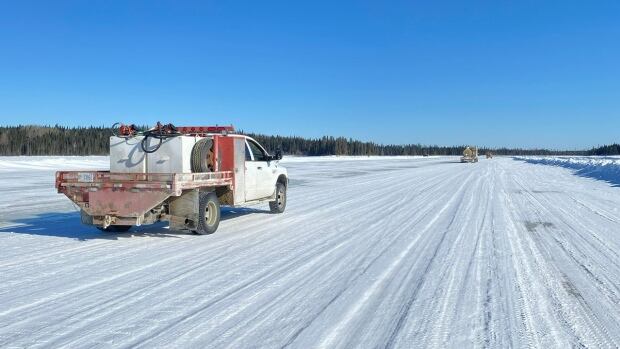
First the muskeg freezes, then the lakes and finally the many bridge-free rivers. At that point the province gives the green light and the ice roads open. It begins with light loads and, weather-dependent, increases as the ice thickens.
The trucks begin staging at Pickle in advance. Loads approaching 100,000 pounds of anything that is too heavy, too bulky or too volatile to be flown in during the other 11 months of the year. Building materials, medical equipment, heavy machinery, vehicles… the list is too long to detail.
This is truly no country for old men. The drive is physically and mentally taxing. Hundreds of kilometres of black spruce and ice. Daylight is at a premium. No rest stops along the route. The ice will get chopped up very quickly by the heavy loads, making for a bone-rattling ride. A missed turn will leave you stranded for hours or days.
The destination is one of dozens of remote First Nations. Fly-in only communities. It is the one chance to restock and rebuild for the year ahead. There are no do-overs. Anything forgotten or undeliverable will have to wait until next year.
At least that's the plan. That plan is getting harder, however.
This year, even with February average temperatures five degrees colder than normal, the ice roads were only open for about three weeks. In an average year that will be even shorter. Warmer than average, and they may not open at all. Critical supplies and materials will have to wait another year.
We don't hear much said about the impact of climate change on Indigenous reconciliation, but the impact is clear, and it's potentially disastrous.
Consider the cycle of forest fires and flooding that occurred in British Columbia over the last year. Modern, sophisticated infrastructure burned or washed away. Then consider the impressive deployment of labour and machinery that sprung into action to replace and repair roads, bridges and other critical infrastructure, often improving the previous iteration and making it more resilient to future disasters.
Remote First Nations are experiencing the exact same cycle of disasters, yet are far more vulnerable to the repercussions.
Fires or floods require entire communities to be evacuated and flown hundreds of kilometres away. It has become a sad, annual tradition for many communities. Forced to reside for weeks in an unfamiliar, frequently hostile community.
The infrastructure itself is already more vulnerable. Gravel roads and airstrips are more prone to being washed away. There are no storm sewers to divert floodwaters. You are surrounded by the boreal forest and the accompanying fire risk; enhanced by heat and drought. There are few, if any bridges across rivers with rapidly eroding riverbanks.


Police services across northern Ontario say most illicit drugs circulating in their communities are being transported from southern parts of the province, while prescription drugs diverted into the illegal market continue to pose a serious and ongoing threat.

The case of a child who was killed by his mother shortly after being returned from foster care has shed a rare and needed spotlight on the child welfare system, say experts in the field.

G.E. Barbour may be best known for its King Cole tea, but the Sussex company’s peanut butter is apparently what everyone wants overseas.

Seven years into an early onset Alzheimer’s diagnosis, Sandra Demontigny's home is full of reminders.

A blizzard gusting across southern Manitoba is leaving a long list of highway and school closures.

While a blizzard threatened outside, Saskatoon city council endured an icy blast inside city hall from a Riversdale business leader over its homeless initiatives.

This is a story about fire, faith and marshmallows.

Alberta’s population bucked the trend that almost every other Canadian province and territory experienced last quarter, Statistics Canada population estimates suggest.

A U.S. judge on Wednesday blocked Michigan from enforcing a 2020 order to shut down Enbridge's Line 5 oil pipeline running beneath a channel linking two of the Great Lakes, ruling that pipeline safety is a federal responsibility.

When retired RCMP constable Jason Hydamacka heard the news that the insurance money for his amputated leg was coming, he sat in his truck and cried.

As Neskantaga First Nation’s youngest band councillor, Lashaunda Waswa says she wants to inspire the next generation to protect the community’s land, water and wildlife.

Toronto has seen a drop in crime rates across the city, but its police chief says youth crime rates continue to be a cause for concern.

Cambridge council has voted to request a pedestrian safety review of Cedar Street from the region after two back-to-back collisions last week, one of which killed a three-year-old girl.