Germany is the biggest economy in Europe. What if it shifts left?
CNN
Angela Merkel is about to bow out as chancellor of Germany after 16 years, marking the start of a new era for Europe's largest economy.
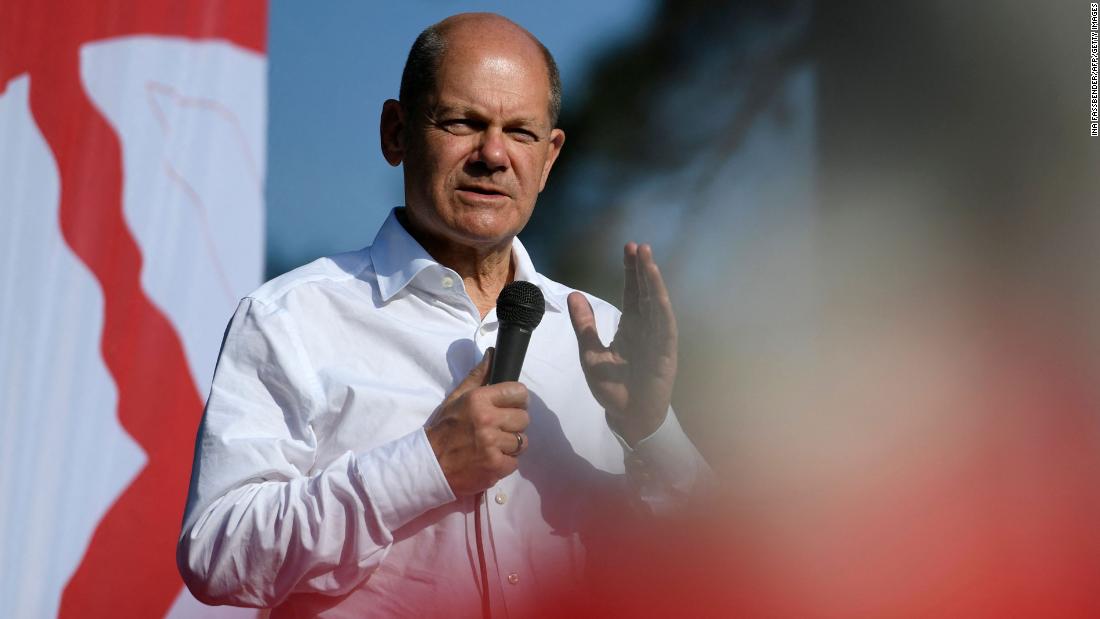
The results of Sunday's election are hard to predict, and the formation of a government could take weeks or months to play out. But when the dust settles, polls indicate that the new chancellor could be the left-leaning Social Democratic Party's Olaf Scholz, who steered Germany's economy through the pandemic as finance minister in a coalition with Merkel. Meanwhile, the Greens could more than double their number of seats in parliament.
Scholz's SPD and the Greens could partner with the pro-business Free Democratic Party, gaining enough power to shift the country's economic agenda to the left. Taxation and spending could increase as political leaders double down on digitization and climate policy, while wariness about rising government debt may take a back seat.


The Supreme Court on Friday sided against the Trump administration, keeping alive a federal lawsuit from immigration judges who are attempting to challenge a policy that limits their ability to speak publicly.

The Department of Homeland Security announced its intention to pause a visa program intended to admit certain individuals to the United States, though it’s unclear whether it’s been suspended entirely.

New signage is being installed at Washington, DC’s performing arts center on Friday to include President Donald Trump’s name.

A simmering battle over the future of President Donald Trump’s political movement exploded on one of the right’s biggest stages Thursday, as prominent conservative influencers used Turning Point USA’s annual youth conference to attack each other and their competing visions.

A recently enacted US House map would again make Troost Avenue a dividing line in the community, part of a plan to have Democratic-leaning Kansas City represented by three separate Republican lawmakers.

How should a military commander respond if they determine they have received an unlawful order?

The White House is heading into a critical midterm year beset by economic challenges, as it tries to manage stubbornly high prices, a frustrated electorate and a commander-in-chief who struggles to show sympathy toward voters’ pain.

Congressional Republicans have sent lawmakers home for the holidays without voting to address the Obamacare subsidies cliff that will hit millions of Americans on New Year’s Day — infuriating some of their own rank and file.

A jury found a Wisconsin judge – accused of helping an undocumented immigrant dodge federal authorities – guilty of obstruction Thursday, marking a victory for President Donald Trump as he continues his sweeping immigration crackdown across the country.

A number of Jeffrey Epstein survivors voiced their concern in a private meeting with female Democratic lawmakers earlier this week about the intermittent disclosure of Epstein-related documents and photos by Democrats on the House Oversight Committee, sharing that the selective publication of materials was distressing, four sources familiar with the call told CNN.

The US military conducted strikes against two alleged drug-trafficking boats in the eastern Pacific Ocean on Thursday, killing 5 people, according to US Southern Command.

Four-term North Carolina Democratic Gov. Jim Hunt, a towering figure in North Carolina politics in the late 20th century who helped leaders from both major parties strive for public education reform, died Thursday at the age of 88, his daughter Lt. Gov. Rachel Hunt announced.

President Donald Trump announced Thursday the White House will host the “Patriot Games,” a competition with young athletes from across the county, as part of the celebration of the United States’ 250th anniversary next year.