Gas tax break extended, oil rebate expanded as Liberals count down to 2023 budget
CBC
The provincial government has set a date for the 2023 budget, and began the countdown on Monday with two cost of living announcements.
According to a news release, the provincial government will retain the seven-cent cut to the gas tax — previously set to expire this month — until March 31, 2024.
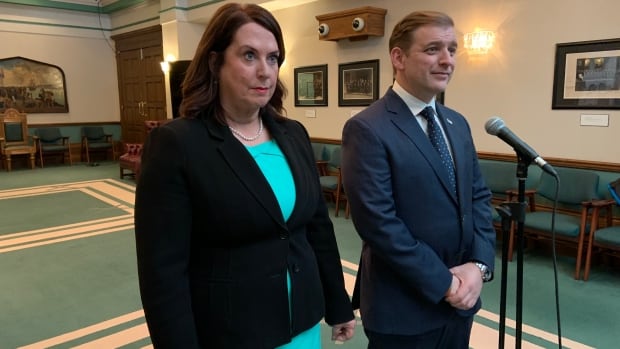
While speaking with reporters on Monday, Finance Minister Siobhan Coady said the year-long tax break will allow businesses and residents to plan.
"We wanted to make sure that we gave them a big runway to make sure that we're fully taking advantage of this reduction in the price," she said.
The seven-cent cut means Newfoundland and Labrador residents pay the second lowest provincial gas tax in the country, after Alberta, although gas prices as a whole remain higher than in other parts of the country.
The extension of the gas tax reduction is part of the 2023 budget, set for March 23, and will cost the provincial government $63.4 million, according to the news release.
In addition to the $63.4 million it will spend on the gas tax break, Coady said the provincial government will miss out on $130 million from the carbon tax after the federal government implements its own carbon tax in July.
The provincial government also announced it will expand a program offering rebates to homeowners who switch from oil to electric heat.
According to a news release issued Monday morning, the provincial government is working with the federal government on a five-year program which will offer a minimum of $5,000 in rebates, based on income level and heating system, to approximately 10,000 homeowners.
While speaking with reporters, Premier Andrew Furey said the decision to extend the tax break for a full year signals the province's "much better" financial position.
"Given our fiscal position this year compared to previous years, it allows us some flexibility to be able to offer this to families and businesses alike," he said.
The provincial government posted an unexpected surplus last year, largely due to the high price of oil, higher-than-expected tax revenue and inflation.
However, Furey said his government would not make the tax break permanent.
"Whenever you're looking at instruments like taxes they have to be responsive to the people, they have to be responsive to the treasury and to make it permanent, I think, would be a mistake," he said.


It’s been a deadly year on Calgary’s streets.

Jails in northern Ontario are facing some of the worst overcrowding pressures in the province, with population data showing dramatic increases since 2019.

Northwest Toronto's newly-opened light-rail transit (LRT) line is getting its first major test Monday, as weekday commuters bring rush hour to the Finch West LRT for the first time.

Demolition of Kitchener's Frederick Street bridge is underway in order to prepare for work on a new Highway 7 between Guelph and Kitchener.

With her siblings, parents and late husband in mind, Marguerite Keating requested the song O Holy Night during a Sunday service in Charlottetown.

The majority of fraud cases in Ontario have ended with charges being stayed or withdrawn since 2020 because of COVID-19-related backlogs, the growing complexity of frauds, and a lack of resources in the province’s criminal justice system, according to the Ontario Crown Attorneys’ Association.

Ontario Provincial Police in Elgin County say one person has died in a fatal collision along Hwy. 401 in Dutton, west of London.

A southwestern Nova Scotia community is hoping its successful purchase of a historic Acadian church will serve as a model for other communities to follow.

The Queen Elizabeth Drive area near Youghall Beach in Bathurst, N.B., got flooded by Saturday's high tide.

Residents of a Winnipeg highrise have been told it could take up to five business days for both its elevators to be repaired in the aftermath of a power outage on Thursday.

Several parts of the province are expected to see a wet and cold start to the week as Environment Canada has issued several rainfall and snowfall warnings.

Peel police have charged four youths and recovered a stolen vehicle after an attempted robbery in Mississauga Wednesday.

The Arctic Winter Games International Committee has approved a shift to a three-year-cycle through 2032. The games have previously been held every two years.